
what is play therapy?
A child’s primary form of communication is through their behaviors and play. Therefore, Play Therapy is a form of therapy that utilizes play as the main form of communication. Play therapy seeks to discover, recreate, understand, and heal a child’s experiences.
In play therapy, children lead their self-healing process, learn to find solutions to their problems, improve emotional regulation, increase confidence, develop relationship skills, and resolve traumatic events. Play Therapy is helpful for children experiencing problems related to a traumatic event, abuse, family conflict, anxiety, depression, disruptive behaviors, sleep problems, or other mental health concerns. While Play Therapy is primarily used for children ages 3-12, it can also be helpful for teens and adults, especially if those individuals had a history of childhood trauma.

Theraplay
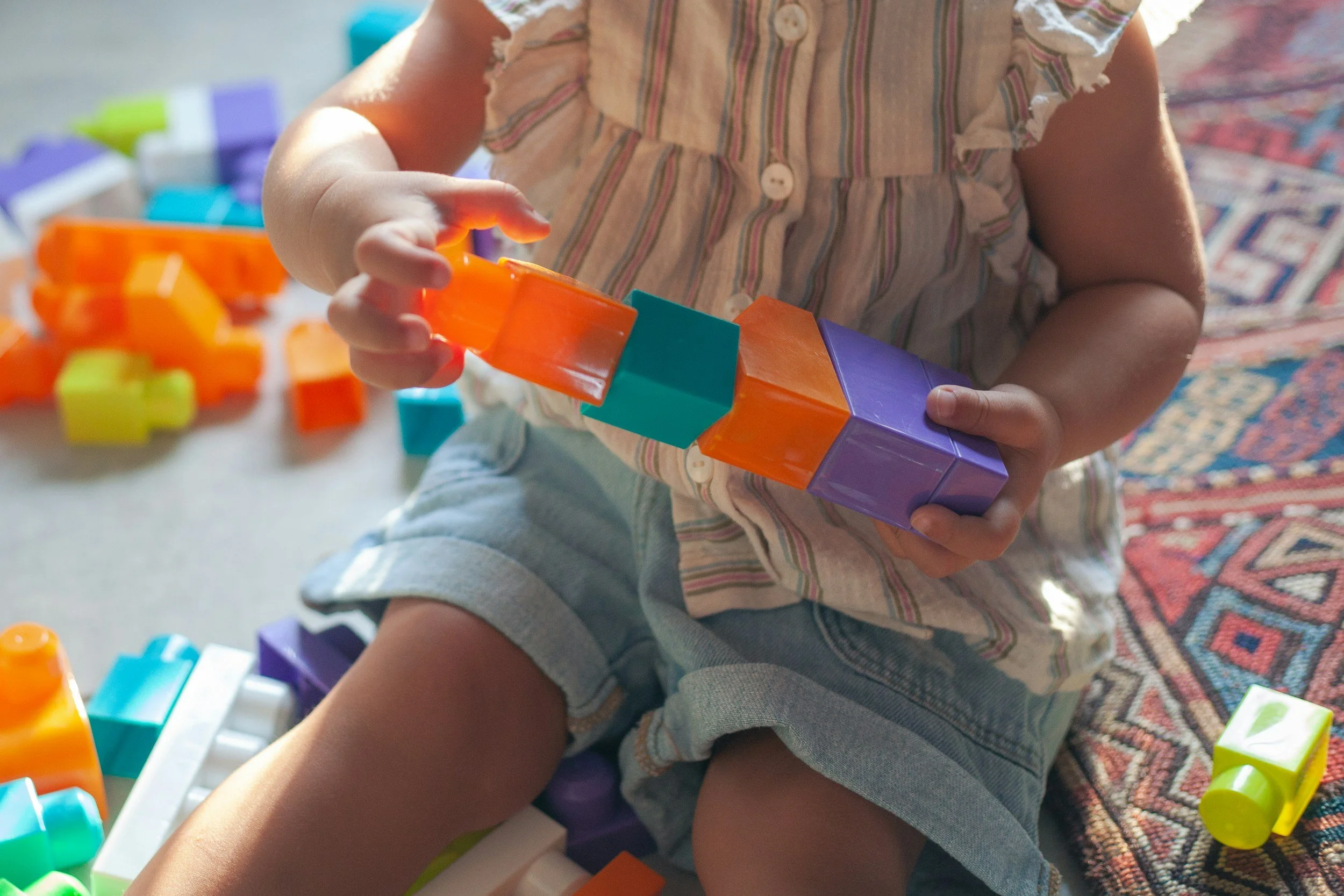
Theraplay is a child and family therapy that builds and strengthens attachment relationships. This type of therapy helps improve relationships as well as address behavioral problems, emotional dysregulation, and developmental concerns. In parent-child interactions, Theraplay techniques focus on the essential qualities of Structure, Nurture, Engagement, and Challenge.
When participating in Theraplay, caregivers and children interact by playing fun games, completing challenging activities, and performing nurturing tasks. These interactions help increase a child’s self-esteem, trust in others, feelings of value, and encourages healthy bonding between children and caregivers.
Filial Play Therapy

Filial Play Therapy involves both the child and caregiver in the healing process of therapy. In Filial Play Therapy, the therapist guides and teaches the caregiver basic play therapy techniques. The caregiver then utilizes these play techniques in therapy sessions and at home with their children to foster healing and growth.
Filial Play Therapy can help children express emotions, increase confidence, establish feelings of trust, reduce problematic behaviors, and create meaningful connections with parents and caregivers. In addition, Filial Play Therapy can help caregivers have a better understanding of their child’s experiences, enjoy playing with their child, increase listening skills, develop parenting skills, find new ways to connect with their child, and think of innovative ways to address family stressors.